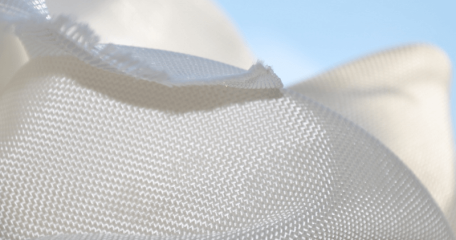
Laying geotextile
Geotextile is a material made from thermally bonded endless fibers of one hundred percent polypropylene. This ensures the material's resistance not only to chemical influences or moisture, but also to processes of decay, as well as to the negative impact of mold, fungi, insects, rodents, and root penetration. Geotextile laying is most often required in drainage, erosion control, and road construction, in landscaping and roof installation, in the construction of foundations for future buildings. The main functions of geotextile are distribution, filtration, reinforcement, drainage, and connection.This material is used as a protective layer for synthetic insulation screens or pond liners. Geotextile prevents damage to the waterproofing system during installation and due to the uneven structure of the soil, diverts ground water, prevents water erosion on slopes when water levels in channels and reservoirs decrease.Why does geotextile laying become more popular every year? It turns out, it's all about the basic properties of this material.
Firstly, geotextile has a high level of elasticity, which means it can successfully withstand significant loads and perform a reinforcing function even with minor deformations.
Secondly, the specific structure of the material enhances its universal filtering ability to practically prevent the penetration of fine soil particles into the pores of the geotextile, thus preventing clogging.
Thirdly, geotextile has high resistance to punctures and tears, which is particularly relevant for long-term laying.Among other equally important properties of geotextile, its water resistance (the weight of material rolls remains unchanged even when used in wet conditions), ease of installation (does not require special skills), and lack of processing requirements (rolls can be cut on-site using a manual or chain saw) can be confidently mentioned.