
- Series:
- Gidrolica Super
- Load class:
- E 600
- Length, (mm):
- 540
- Width, (mm):
- 260
- Height, (mm):
- 478
- Material:
- Plastic
0.00

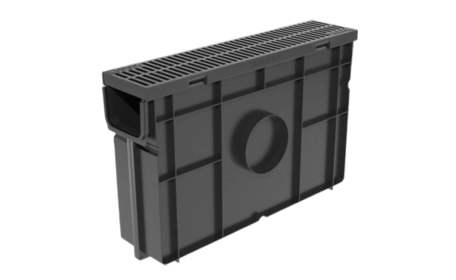
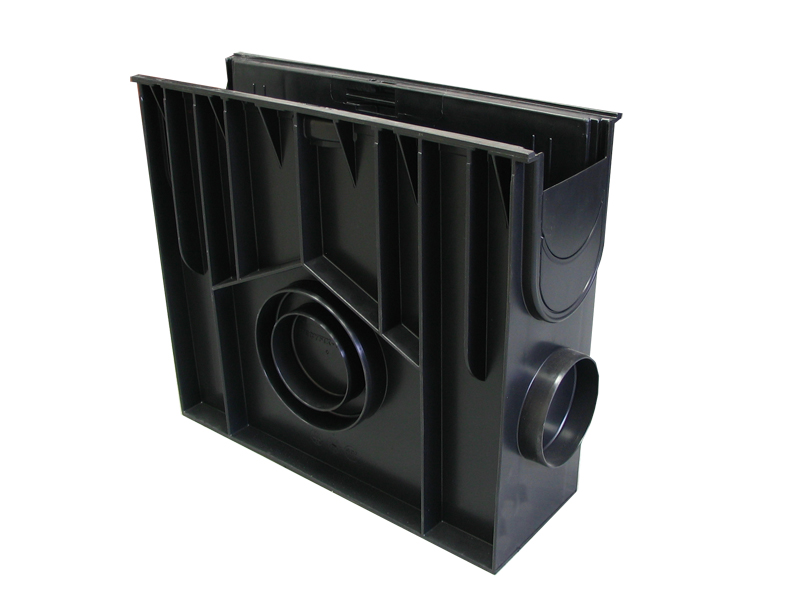 Sand trap is an important intermediate link between stormwater drainage and the central urban sewage system, which helps prevent the system from clogging with sand, silt, and debris.
Water from the streets enters the storm drains and then the sand trap. The exits from the sand trap are significantly higher than the bottom level, allowing dirt and debris to settle and not enter the central sewage system.
The use of sand traps allows for uninterrupted operation of the sewage system with minimal costs, preventing clogging. Maintenance of sand traps involves monitoring sediment levels and periodic cleaning.
Sand traps are mainly installed at the entrance of stormwater drains into the general sewage system, but less global applications are also possible. For example, installing a sand trap in private sewage sections at risk of sand and other debris entering the system. This equipment is also in demand in treatment facilities, where they are installed before water supply channels to settling tanks.
Depending on the application location and the volume of water processed, sand traps of different sizes and materials are used. In terms of material, plastic and concrete sand traps are mainly used, corresponding to plastic or concrete water supply gutters. In terms of water processing volume, they range from small containers for systems with DN100 hydraulic cut-off, to large forms that can be stacked deep into several sections, forming a kind of well for sediment collection, under DN300 hydraulic cut-off systems.
Practice shows that the use of sand traps significantly increases the uninterrupted operation period of the sewage system and also allows for substantial savings on repair and restoration work.
Our experts will provide professional consultation on your questions and help you choose the most effective options for arranging a drainage system for your facility.
